
Transporting concrete without losing workability is one of the most critical aspects of modern construction. Workability refers to how easily concrete can be mixed, placed, compacted, and finished without segregation or loss of cohesion. Once concrete is mixed, it begins to set, and any improper handling or transportation can cause slump loss, segregation, or premature hardening, leading to structural defects and reduced durability.
Ensuring concrete maintains its workability during transportation is vital for projects ranging from small slabs to large high-rise structures. This guide explains effective methods for transporting concrete without losing workability, along with tips, best practices, and common mistakes to avoid.
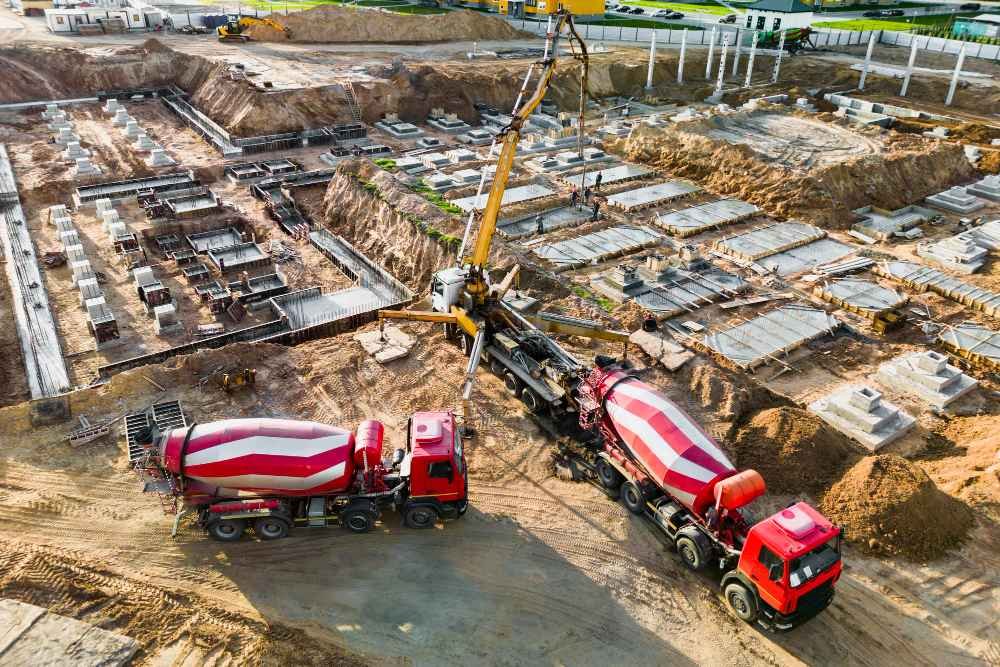
Transit mixer help maintain concrete workability
Why Maintaining Workability During Transport Is Crucial
Concrete’s workability affects several critical properties:
-
Ease of Placement: Concrete must flow easily into forms or molds, especially in complex shapes.
-
Compaction Quality: Proper compaction ensures no voids or honeycombing inside the structure.
-
Surface Finish: Loss of workability can make finishing difficult, leading to uneven surfaces.
-
Strength & Durability: Poorly transported concrete can lose strength, leading to structural weakness.
Failure to maintain workability while transporting concrete can result in:
-
Segregation of coarse and fine aggregates
-
Slump reduction or stiffening
-
Cracking and honeycombing in hardened concrete
-
Reduced long-term durability
By following proper transportation techniques, contractors can prevent these problems and ensure concrete meets design specifications.
Proven Methods of Transporting Concrete Without Losing Workability
1. Using Transit Mixers (Concrete Trucks)
Transit mixers are designed to continuously rotate the drum during transportation. This keeps the concrete thoroughly mixed and prevents segregation.
Advantages:
-
Maintains uniform consistency
-
Reduces chances of slump loss
-
Allows transportation over long distance
Best Practices:
-
Rotate drum at recommended speeds (usually 12–16 rpm)
-
Avoid over-rotation to prevent segregation
-
Ensure truck arrival aligns with placement schedule
Using transit mixers is one of the most reliable methods for transporting concrete without losing workability, especially for projects located far from batching plants.
2. Concrete Pumps for Direct Placement
Concrete pumps are increasingly popular in modern construction, particularly for high-rise buildings and congested sites. Pumping concrete reduces handling time and minimizes exposure to environmental conditions that can cause workability loss.
Advantages:
-
Efficient transportation directly to placement location
-
Reduces manual handling
-
Minimizes time between batching and placement
Best Practices:
-
Use a clean, lubricated pipeline
-
Avoid over-pumping, which may cause segregation
-
Combine with admixtures for longer pumping distances
Concrete pumps are highly effective for transporting concrete without losing workability, ensuring uniformity even under challenging site conditions.
3. Minimizing Transportation Time
Time is a critical factor. The longer the concrete is in transit, the more likely it is to lose workability due to initial hydration.
Tips to Reduce Transport Time:
-
Plan delivery routes ahead
-
Use GPS or traffic monitoring to avoid delays
-
Schedule batching and transport according to site readiness
Proper planning helps maintain transporting concrete without losing workability, especially in hot or cold climates.
4 Use of Chemical Admixtures
Chemical admixtures like plasticizers and superplasticizers help improve flow without adding extra water. This is essential for transporting concrete without losing workability over longer durations.
Advantages:
-
Retains slump and workability
-
Reduces water content, maintaining strength
-
Allows pumping over longer distances
Best Practices:
-
Follow manufacturer dosage recommendations
-
Combine with proper mixing techniques
-
Monitor slump regularly at the delivery site
5. Proper Covering During Transport
Concrete can lose moisture through evaporation during transport. Covering concrete prevents moisture loss and temperature fluctuations.
Methods:
-
Cover concrete in trucks with tarpaulin sheets
-
Use thermal blankets in extreme weather
-
Avoid exposing concrete to direct sun or cold winds
Proper covering is an easy but highly effective method for transporting concrete without losing workability, particularly in summer or winter conditions.
6. Maintaining Correct Mixing Speed
Both under-mixing and over-mixing can reduce workability:
-
Under-mixing: Leads to uneven distribution of aggregates and cement paste
-
Over-mixing: Causes segregation and bleeding
Tips:
-
Use drum mixers at recommended speeds
-
Monitor consistency during transit
-
Avoid stopping and starting the drum unnecessarily
Correct drum rotation ensures transporting concrete without losing workability while preventing segregation.
7. Temperature Control During Transport
Extreme temperatures accelerate hydration.
Hot Weather:
-
Workability decreases quickly due to rapid evaporation
-
Use chilled water, ice, or retarders
Cold Weather:
-
Hydration slows, concrete may stiffen
-
Use warm water, insulated trucks, or blankets
Controlling temperature is essential for transporting concrete without losing workability, especially for projects in extreme climates.
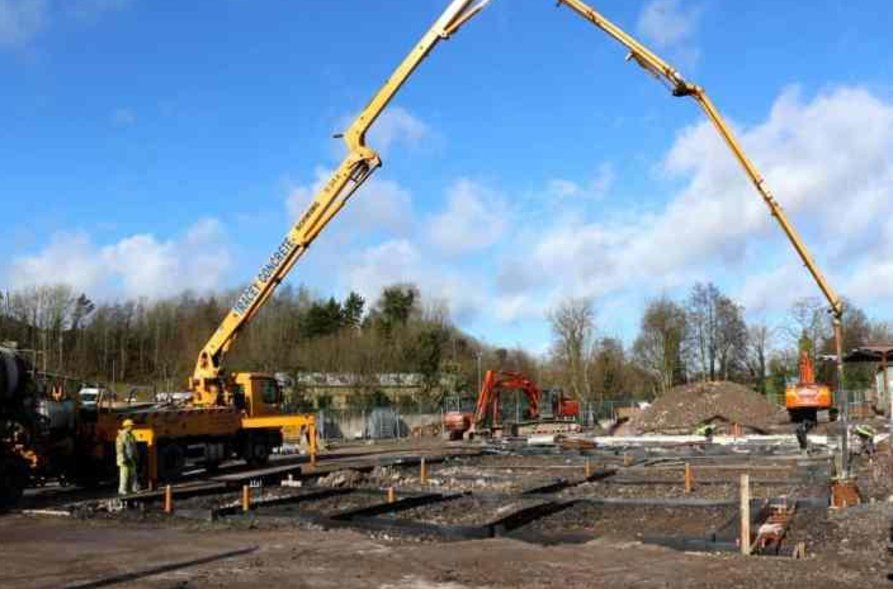
Concrete pumping is an effective method to transport and place concrete without reducing workability.
Best Practices for Maintaining Workability
-
Plan deliveries to minimize waiting times
-
Use proper transportation equipment (trucks, pumps)
-
Avoid re-tempering concrete at the site
-
Regularly check slump on delivery
-
Follow local and international standards (ACI, IS, CPWD)
0 Comments