
Sustainable design integration is no longer an optional add-on in modern architecture—it is a core part of responsible planning and construction. From the earliest concept to final execution, sustainable design integration ensures that projects minimize environmental impact while maximizing efficiency, comfort, and long-term value. By embedding sustainability into every phase of a project, architecture consultants create spaces that are both future-ready and environmentally conscious.
This blog explains how sustainable design integration works at each stage of a project and why it matters.
Sustainability thoughtfully planned from concept to completion.
Understanding Sustainable Design Integration
Sustainable design integration refers to the systematic incorporation of eco-friendly strategies throughout the project lifecycle. Instead of applying sustainability at the end, it begins during planning and continues through design development, material selection, construction, and post-completion evaluation.
This holistic approach ensures sustainability is practical, measurable, and effective.
Sustainable Design Integration at Every Project Stage
1. Planning and Site Analysis
The first step in sustainable design integration begins with careful site analysis. Orientation, climate, topography, and surrounding ecosystems are studied to reduce energy consumption and environmental disruption.
Early planning allows projects to take advantage of natural light, ventilation, and existing site conditions.
2. Concept and Design Development
During the design phase, sustainable design integration focuses on optimizing building form, layout, and functionality. Architects incorporate passive design strategies, efficient spatial planning, and climate-responsive concepts to reduce long-term energy demand.
This stage sets the foundation for sustainable performance throughout the building’s life.
3. Material Selection and Resource Efficiency
Choosing the right materials is a key part of sustainable design integration. Environmentally responsible materials, locally sourced products, and durable finishes help reduce carbon footprint and resource wastage.
Efficient material planning also supports cost control and long-term durability.
4. Energy and Water Efficiency Planning
Energy and water systems are carefully designed as part of sustainable design is integrated. This includes energy-efficient lighting, renewable energy options, water conservation systems, and smart technologies that reduce operational costs.
These measures improve environmental performance while enhancing user comfort.
5. Construction and Execution
During execution, sustainable design integration ensures that construction practices align with environmental goals. Waste reduction, responsible sourcing, and quality control are monitored closely to maintain sustainability standards on site.
Proper execution ensures design intent translates into real-world performance.
6. Post-Completion Performance and Maintenance
Sustainable design is integrated continues even after project completion. Performance evaluation, maintenance planning, and future adaptability are considered to ensure long-term efficiency and environmental benefits.
Buildings designed sustainably perform better over time and require fewer resources.
Benefits of Sustainable Design Integration
- Reduced environmental impact
- Lower energy and operational costs
- Improved indoor comfort and health
- Enhanced project value and longevity
- Better compliance with green building standards
Sustainable design integration delivers value not just to the environment but also to occupants and investors.
Why Professional Guidance Matters
Successful sustainable design integration requires expertise, planning, and coordination. Professional architecture consultants ensure sustainability strategies are realistic, cost-effective, and aligned with project goals—avoiding superficial or ineffective solutions.
Expert involvement ensures sustainability is embedded, not forced.
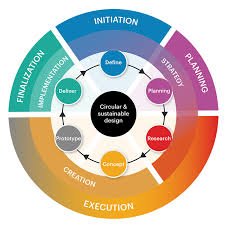
Building smarter with sustainability in mind.
Conclusion
Sustainable design integration at every stage of a project ensures responsible, efficient, and future-ready development. By considering environmental impact from planning through execution and beyond, sustainable design creates buildings that benefit people, communities, and the planet.
Integrating sustainability throughout the project lifecycle is the key to building smarter and greener spaces.
0 Comments