
The future of architecture in India is evolving faster than ever before. Rapid urbanization, smart cities, sustainability goals, and technological advancements are redefining how buildings are designed and experienced. Today, architecture in India is no longer just about aesthetics; it is about functionality, environmental responsibility, and creating spaces that improve quality of life.
As Indian cities expand and lifestyles change, architects are embracing innovative design approaches that balance tradition with modern needs. This blog explores the key trends and innovations shaping the future of architecture in India and how they are transforming residential, commercial, and public spaces.
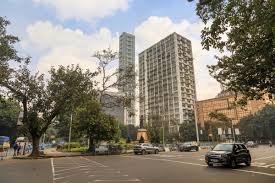
Innovative and sustainable architecture is shaping the future of architecture India’s urban landscape.
1. Sustainable and Green Architecture
One of the strongest pillars of the future of architecture in India is sustainability. With increasing environmental concerns and rising energy costs, green architecture is no longer optional—it is essential.
Architects are focusing on:
- Energy-efficient building designs
- Use of eco-friendly and locally sourced materials
- Rainwater harvesting and water recycling systems
- Solar integration and passive cooling techniques
Green buildings not only reduce environmental impact but also offer long-term cost savings, making sustainable architecture a preferred choice for modern Indian projects.
2. Smart Architecture and Technology Integration
Technology is playing a crucial role in shaping the future of architecture in India. Smart buildings equipped with advanced systems are becoming increasingly popular in urban developments.
Key innovations include:
- Smart lighting and automated climate control
- IoT-enabled building management systems
- AI-based space planning and design optimization
- Smart security and access control systems
These technologies improve energy efficiency, safety, and user comfort while offering greater control over building operations.
3. Rise of Smart Cities and Urban Planning
India’s smart city initiatives are redefining urban architecture. The future of architecture in India is closely linked to well-planned urban spaces that prioritize mobility, sustainability, and community living.
Architectural planning now focuses on:
- Mixed-use developments
- Walkable neighborhoods
- Public green spaces and open layouts
- Transit-oriented development
This approach ensures smarter infrastructure while addressing population growth and urban density challenges.
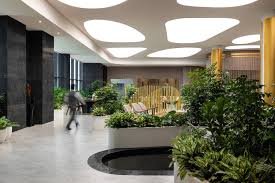
Green architecture and innovation are redefining
4. Modern Design with Cultural Identity
While modern architecture is gaining momentum, Indian architects are ensuring cultural roots are not lost. The future of architecture in India blends contemporary design with traditional elements such as courtyards, jaali patterns, verandas, and regional materials.
This fusion creates buildings that are:
- Climatically responsive
- Culturally meaningful
- Visually timeless
Such designs respect India’s architectural heritage while meeting modern lifestyle requirements.
5. Minimalist and Functional Design Approach
Minimalism is becoming a defining trend in the future of architecture in India. Clean lines, open layouts, and clutter-free spaces are preferred, especially in urban homes and offices.
Key characteristics include:
- Efficient space utilization
- Natural light and ventilation
- Simple material palettes
- Functional aesthetics
Minimalist architecture enhances comfort and usability while maintaining a modern, elegant look.
6. Use of Advanced Construction Techniques
Innovative construction methods are revolutionizing the future of architecture in India. Technologies such as prefabrication, modular construction, and 3D printing are improving project efficiency.
Benefits include:
- Faster construction timelines
- Reduced material waste
- Improved quality control
- Cost-effective execution
These methods are especially useful for large-scale housing and commercial projects.
7. Focus on Human-Centric Design
At the core of the future of architecture in India is human-centric design. Architects are designing spaces that promote well-being, productivity, and mental health.
This includes:
- Better natural lighting
- Improved indoor air quality
- Biophilic design elements
- Ergonomic and flexible layouts
Architecture is increasingly viewed as a tool to enhance everyday living rather than just create structures.
0 Comments