
Avoid cold weather concreting mistakes by learning 7 critical errors that reduce concrete strength and durability during winter construction.
Cold weather concreting mistakes can seriously affect the strength, durability, and long-term performance of concrete structures if proper winter construction practices are not followed.
Construction professionals must understand how low temperatures impact concrete and how to prevent cold weather concreting mistakes to ensure high-quality results.
In regions experiencing severe winters, ignoring proper precautions often leads to structural damage, delayed project timelines, and increased repair costs. This article explains the most frequent cold weather concreting mistakes and practical ways to avoid them.
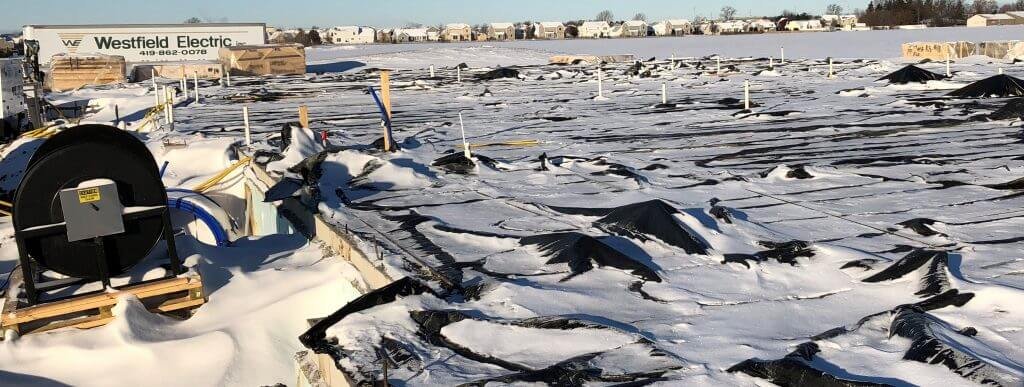
Frozen surfaces is a serious cold weather concreting mistake that weakens structural bonding.
Cold Weather Concreting Mistakes: Placing Concrete on Frozen Surfaces
One of the most serious cold weather concreting mistakes is pouring concrete on frozen ground, snow-covered surfaces, or icy formwork. Frozen surfaces prevent proper bonding between concrete and the base, which weakens the structure.
When frozen surfaces melt later, they create empty spaces and cracks inside the concrete. These voids reduce load-bearing capacity and increase the risk of long-term structural damage.
To avoid this type of cold weather concreting mistake, contractors should remove snow and ice completely before pouring concrete. Heating the ground and ensuring frost-free formwork helps maintain proper bonding and improves concrete quality.
Failure to Maintain Concrete Temperature After Placement
Many projects suffer due to cold weather related to improper temperature control after pouring. Freshly placed concrete must remain above minimum temperature levels to gain sufficient strength.
If concrete freezes during early curing stages, it can permanently damage the internal structure. Frozen concrete often results in scaling, cracking, and reduced durability.
To prevent such cold weather, builders should use insulated blankets, thermal sheets, or heated enclosures. Continuous temperature monitoring is also essential to ensure proper curing.
Cold Weather Concreting Mistakes: Improper Curing During Winter
Ignoring curing during winter is another major cold weather concreting. Many contractors assume low temperatures reduce the need for curing, but proper moisture retention remains critical.
Insufficient curing leads to weak hydration, reduced compressive strength, and increased permeability. Poor curing also affects long-term durability and resistance against environmental damage.
voiding this cold weather concreting mistake requires using curing blankets, steam curing techniques, and curing compounds. These methods help retain moisture and support proper strength development.
Cold Weather Concreting Mistakes: Removing Formwork Too Early
Removing formwork too early is one of the most common cold weather concreting mistake during winter construction. Such cold weather concreting mistakes often lead to cracking, surface damage, and reduced structural stability.
Early removal of formwork can cause surface damage, cracking, and deformation. Concrete requires additional curing time during winter conditions.
To avoid this cold weather concreting mistake, engineers should verify concrete strength before removing formwork and follow recommended stripping time guidelines based on temperature conditions.
Cold Weather Concreting Mistakes: Poor Weather Planning
Poor weather planning is another overlooked cold weather concreting mistakes. Sudden temperature drops, snowfall, or strong winds can damage freshly placed concrete.
Construction teams that fail to monitor weather forecasts often expose concrete to freezing temperatures, leading to poor strength development and surface damage.
Proper scheduling, monitoring weather conditions, and preparing emergency insulation materials help prevent such cold weather concreting mistakes and ensure safe construction practices.
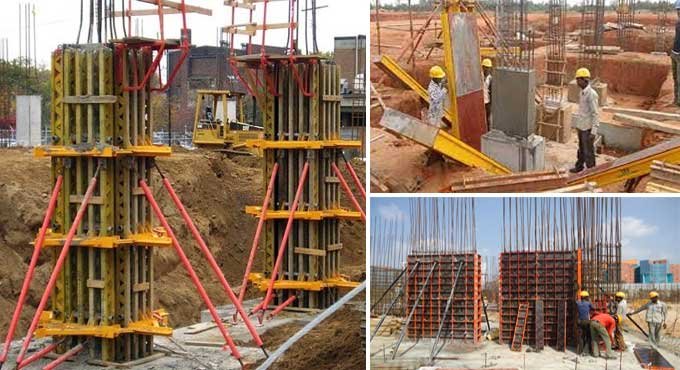
Removing formwork too early weakens structural stability during cold weather concreting.
Best Practices to Prevent Cold Weather Concreting Mistakes
To ensure durable and high-quality concrete structures during winter, construction professionals should:
✔ Maintain recommended concrete temperature
✔ Use heated materials and cold-weather admixtures
✔ Provide proper insulation and curing protection
✔ Monitor strength development before removing formwork
✔ Plan construction activities according to weather forecasts
Following these practices helps reduce cold weather concreting mistakes and improves long-term structural durability.
0 Comments