
Architecture consultants in smart city projects play a critical role in shaping cities that are efficient, sustainable, and future-ready. As urban populations grow and infrastructure demands increase, smart city initiatives aim to integrate technology, sustainability, and citizen-centric design. At the heart of this transformation are architecture consultants in smart city projects, who translate vision into buildable, compliant, and cost-effective urban solutions.
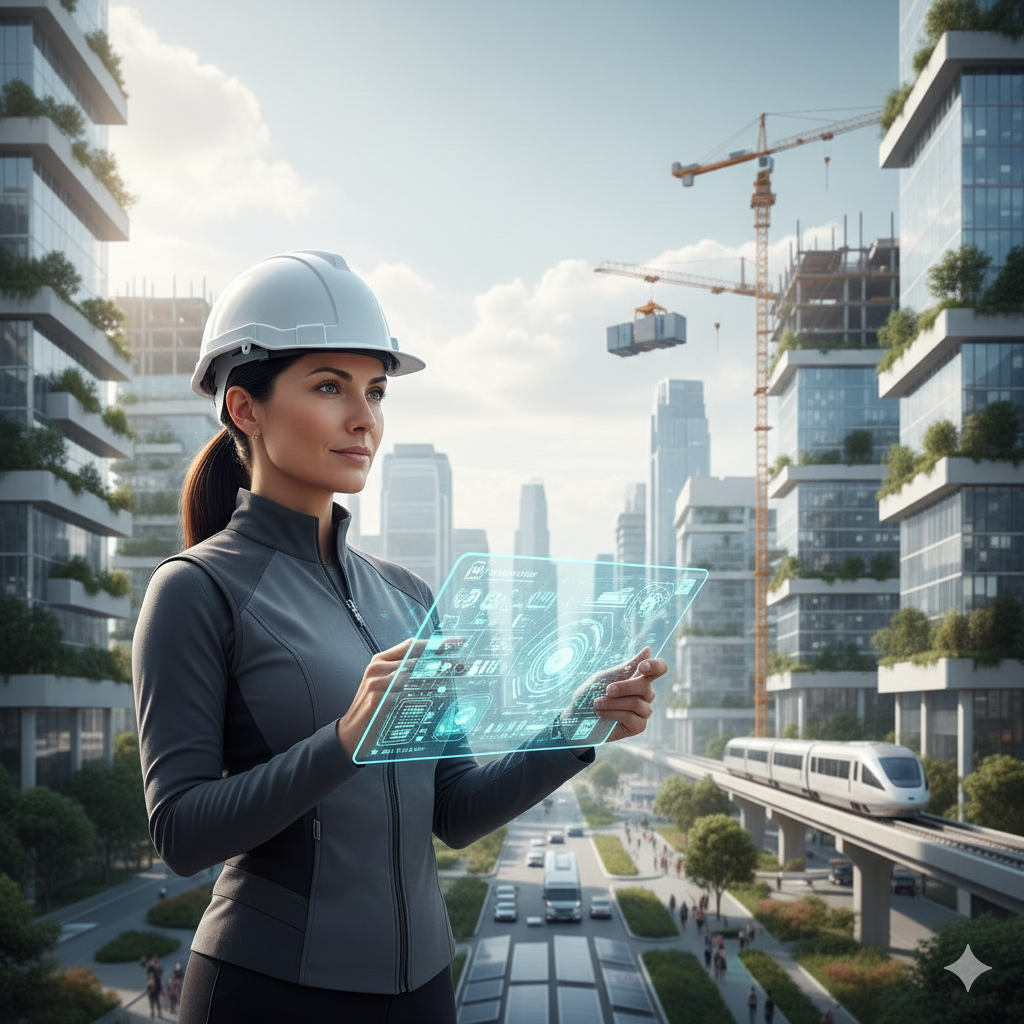
Merging nature with high-tech infrastructure for a more livable future.
Understanding Smart City Projects
Smart city projects focus on improving quality of life through integrated planning, digital infrastructure, sustainable construction, and efficient public services. These projects bring together transportation, housing, utilities, public spaces, and technology under a unified urban strategy.
Architecture consultants in smart city projects ensure that this complexity is managed through thoughtful design, coordinated planning, and long-term vision—so cities don’t just become “smart,” but also livable.
1. Strategic Planning and Urban Design
One of the primary responsibilities of architecture consultants in smart city projects is strategic urban planning. Consultants assess land use, density, connectivity, and public needs to create master plans that balance growth with sustainability.
They help:
- Optimize land utilization
- Design mixed-use developments
- Plan pedestrian-friendly and inclusive spaces
- Integrate green and public areas
This strategic approach ensures smart cities function efficiently from day one.
2. Integrating Technology With Architecture
Technology is a core pillar of smart cities, but it must be seamlessly integrated into physical spaces. Architecture consultants in smart city projects collaborate with engineers, planners, and technology providers to embed smart systems into the built environment.
This includes:
- Smart lighting and energy systems
- Sensor-ready infrastructure
- Intelligent transportation hubs
- Data-enabled public buildings
By aligning architecture with technology, consultants ensure systems are practical, scalable, and user-friendly.
3. Sustainability and Climate-Responsive Design
Sustainability is non-negotiable in smart city development. Architecture consultants in smart city projects lead the adoption of eco-friendly design strategies that reduce environmental impact and operational costs.
Their contribution includes:
- Energy-efficient building orientation
- Natural lighting and ventilation strategies
- Sustainable material selection
- Water management and rainwater harvesting
These measures make smart cities resilient and environmentally responsible.
4. Infrastructure Coordination and Efficiency
Smart city projects involve multiple infrastructure layers—roads, utilities, transport, housing, and public services. Architecture consultants in smart city projects ensure coordination across these systems to avoid conflicts and inefficiencies.
Effective coordination results in:
- Reduced construction delays
- Optimized utility layouts
- Better mobility planning
- Seamless integration of public amenities
This holistic oversight minimizes rework and maximizes long-term performance.
5. Regulatory Compliance and Approvals
Large-scale urban projects must comply with numerous regulations and development guidelines. Architecture consultants in smart city projects play a vital role in ensuring compliance with building codes, zoning laws, environmental norms, and safety standards.
Their expertise helps:
- Streamline approval processes
- Avoid legal complications
- Prevent costly redesigns
- Ensure smooth project execution
Compliance-driven design protects both public interest and project timelines.
6. Cost Control and Value Engineering
Smart city projects operate within defined public and private budgets. Architecture consultants in smart city projects apply value engineering principles to optimize costs without compromising quality or functionality.
They contribute by:
- Proposing cost-effective design alternatives
- Reducing material wastage
- Improving construction efficiency
- Planning for lower lifecycle costs
This ensures long-term economic sustainability of smart city developments.
7. Enhancing Quality of Life for Citizens
Ultimately, smart cities are built for people. Architecture consultants in smart city projects design environments that improve everyday experiences—safe streets, accessible public spaces, efficient transport, and comfortable housing.
Human-centric design ensures:
- Inclusive and accessible infrastructure
- Better social interaction spaces
- Improved health and well-being
- Strong community identity
These elements define the true success of a smart city.
Leading the charge in urban evolution through integrated digital twin technology.
Conclusion
Architecture consultants in smart city projects are essential to transforming urban visions into functional, sustainable, and people-focused realities. By combining strategic planning, technological integration, sustainability, and regulatory expertise, they ensure smart cities are not just technologically advanced—but also efficient, livable, and future-proof.
As governments and developers continue to invest in smart urban development, the role of architecture consultants in smart city projects will remain central to building cities that truly work for their citizens.
0 Comments