
College campus architecture design plays a powerful role in shaping a student’s academic journey, creativity, and overall campus life. A college is not just a collection of classrooms—it is a dynamic environment where learning, collaboration, and personal growth happen every day. Thoughtful college College building architecture helps create inspiring spaces that encourage innovation, interaction, and a sense of belonging.
As educational methods evolve, modern campuses must reflect flexibility, sustainability, and student-centric planning.

A college campus designed with a mix of traditional and modern architecture.
Importance of College Campus Architecture Design
A well-planned college campus architecture design influences how students engage with their surroundings. From lecture halls to open courtyards, every space affects learning behavior, movement, and campus culture.
Good campus architecture:
- Improves academic focus and comfort
- Encourages collaboration and social interaction
- Supports extracurricular and research activities
- Enhances the institution’s identity and reputation
An inspiring campus design motivates students and faculty while creating a lasting impression on visitors and stakeholders.
1. Planning Academic Spaces in College Campus Architecture Design
Academic buildings are the heart of any campus. Effective college campus architecture design ensures these spaces support modern teaching methods and future growth.
Key Academic Design Considerations:
- Spacious, well-lit classrooms and lecture halls
- Flexible layouts for interactive and digital learning
- Advanced laboratories and research centers
- Quiet, accessible libraries and study zones
- Proper acoustics and ventilation for comfort
Smart planning ensures that academic spaces remain functional, adaptable, and engaging.
2. Creating Social & Collaborative Spaces
Modern campus layout design goes beyond academics by focusing on student life and interaction. Informal learning often happens outside classrooms, making social spaces equally important.
Essential Social Spaces Include:
- Open courtyards and plazas
- Student activity centers
- Cafeterias and common lounges
- Outdoor seating and shaded walkways
These areas encourage discussions, idea-sharing, and community building, making campus life more vibrant and inclusive.
3. Sustainability in College Campus Architecture Design
Sustainability is a core element of contemporary college campus architecture design. Environmentally responsible campuses reduce operational costs and create healthier spaces for learning.
Sustainable Design Features:
- Natural lighting and cross ventilation
- Energy-efficient building materials
- Solar energy systems
- Rainwater harvesting
- Green landscaping and shaded zones
Sustainable college campus architecture design not only benefits the environment but also sets a positive example for students.
4. Climate-Responsive Campus Design in India
In India, climate-responsive college campus architecture design is essential. Campus orientation, shading devices, courtyards, and local materials help regulate indoor temperatures naturally.
Design strategies like verandas, shaded corridors, and green buffers improve comfort while reducing energy dependency.
5. Accessibility and Inclusivity in Campus Architecture
A modern college campus architecture design must be inclusive and accessible to all. Ramps, lifts, accessible restrooms, and barrier-free pathways ensure equal access for students with diverse needs.
Inclusive design fosters independence, dignity, and equal opportunities across campus.
6. Role of Architects in College Campus Architecture Design
Professional architects play a vital role in transforming educational visions into functional campuses. From master planning to execution, architects balance aesthetics, safety norms, sustainability, and future expansion.
Expert-led Student-friendly campus design ensures regulatory compliance while creating inspiring and efficient learning environments.
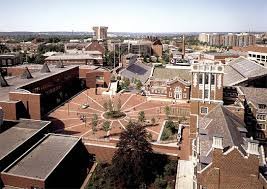
College Campus Architecture Design for Innovative Learning
Conclusion
A thoughtfully executed college campus architecture design creates more than buildings—it creates experiences. By blending academic efficiency, social interaction, sustainability, and inclusivity, colleges can develop campuses that truly inspire students and educators.
Investing in strong college campus architecture design is an investment in innovation, growth, and the future of education.
0 Comments